Medical Air vs. Medical Oxygen: Understanding the critical difference
December 19, 2025
Walk into any hospital room or surgical suite, and you’ll see a complex array of outlets on the wall. A common misconception is that all these gas outlets deliver the same thing: oxygen. In reality, two of the most vital gases piped throughout healthcare facilities are medical air and medical oxygen. Both serving distinct and critical purposes. Understanding the difference in medical air vs oxygen is not just technical jargon, it's a fundamental aspect of patient safety.
What is Medical Oxygen?
Medical oxygen is a high-purity gas (typically >90%) whose primary role is therapeutic: to treat patients suffering from hypoxia, a condition characterized by low oxygen levels in the blood. Whether during surgery, in an intensive care unit, or for a patient with chronic obstructive pulmonary disease (COPD) using a home concentrator, supplemental oxygen ensures vital organs receive the oxygen they need to function.
Medical oxygen can be produced by cryogenic separation and supplied either as liquid oxygen in large-capacity storage tanks or as compressed gas in cylinders. In the former case, the hospital facility must convert the liquid oxygen into gas using dedicated vaporizing equipment. Medical oxygen can also be produced onsite using pressure swing adsorption (PSA) oxygen concentrators, which separates oxygen from a compressed air stream through a specific gas-sieving process. This method allows the hospital to independently generate on demand its own medical oxygen from ambient air that is properly compressed, filtered, and dried before entering the PSA unit.
Medical oxygen is considered a pharmacopeia drug, and as such, is often blended with air or other medical gases. Long term breathing of pure oxygen (such as the medical oxygen produced via cryogenic separation) can result in hyperoxia (i.e., excess of oxygen in blood tissues), and thus produce oxidative damage to cell membranes, collapse of the alveoli in the lungs, retinal detachment and seizures.
How is Medical Air defined and what is its composition?
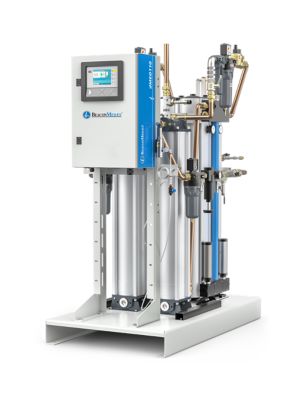
Medical air is a purified, breathable gas produced on-site in hospitals and classified as a manufactured drug under pharmacopeia standards. It is a colorless, odorless, and tasteless mixture made up of approximately 78% nitrogen and 21% oxygen, and other gases (such as argon) in smaller percentages. It is generated by compressing and filtering outside air through a medical grade compressor system connected to the hospital’s pipeline. On-site production is more economical due to the large volumes that hospitals use, but it requires complex equipment like the medical purifier that must be carefully maintained to avoid contamination.
The system usually begins with the air intake to the compressor properly ventilated to prevent contamination from exhaust gases and pollutants. That air is then compressed, dried, and filtered to remove moisture, particulates, and odors before being stored in receiver tanks. Pressure regulators and alarms ensure a consistent, safe supply through the hospital’s copper pipelines to outlets that connect to ventilators, anesthesia machines, and other life-support equipment. Multiple compressors are used to provide backup in case of failure.
Medical Air plays a critical role in supporting life and treatment in intensive care units, operating theatres, and neonatal chambers. It is used to transport inhaled medications and anesthetic agents, assist in surgical procedures under anesthesia, and provide mechanical ventilation for patients experiencing respiratory depression. It also serves as a drive gas for ventilator bellows in critical care settings.
What is key difference between Medical Air and Oxygen?
The most crucial difference lies in their composition: oxygen is a pure gas, while medical air is a purified mixture. Their purpose differs significantly: one is a life-saving drug (oxygen), and the other is both a drug (medical air) and a utility power source (also called surgical or instrument air). This distinction is reinforced by a vital safety feature: color-coded outlets. According to international standards, oxygen outlets and hoses differ in color from medical air, and the right colors are set by the medical standards relevant to the installation. This color coding, along with other mechanical non-interchangeable safeguards, prevents undesired misconnections and the risky delivery of one gas instead of the other.
Why would people use Medical Air instead of Oxygen?
This is a central question in the “medical air vs. oxygen” discussion. Why use medical air instead of oxygen in specific scenarios? There are several critical reasons:
- To power equipment: Pneumatic surgical tools and ventilators are often driven by medical air as a clean, reliable power source.
- For controlled ventilation: Ventilators use medical air to dilute pure oxygen, creating a precise, safe oxygen concentration for patients who do not require 100% oxygen.
- To prevent oxygen toxicity: Administering pure oxygen for prolonged periods can be harmful. Patients with certain conditions, like newborns, require a balanced mixture of medical air to avoid lung damage.
Why is it critical to avoid confusion between Medical Air with Oxygen?
Confusing these two gases can have severe consequences. Delivering pure oxygen when medical air is prescribed can lead to hyperoxia or respiratory complications, especially in vulnerable neonates. Conversely, failing to deliver oxygen to a hypoxic patient is equally dangerous. Strict protocols, regular system checks, and staff training are mandated to prevent such errors.
In summary, both oxygen and medical air are indispensable pillars of modern medicine. The former fuels life-saving treatments, while the latter fuels both treatment and equipment. Both must be produced and delivered in strict compliance with pharmacopeia requirements, ensuring their purity and safety. The correct application of each gas, based on a clear understanding of their unique roles, ensures the highest standard of care and patient safety in any clinical setting.